February 08, 2010
Newsletter Sign-up
Sign-up For Newsletter & Email Updates


Welcome
 
You are not currently logged in.


Everett Firefighters Local 46

UNION MEETING

THURSDAY,

January 14th, 2010

 8:30 A.M. (A-Shift)

COME OUT AND GET INFORMED!


The union meeting will be held at 2411 Hewitt Ave.


What's New at IAFF 46
Everett Fire Department Ends Year with Record Call Numbers

Updated On: Jan 04, 2010 (11:30:00)

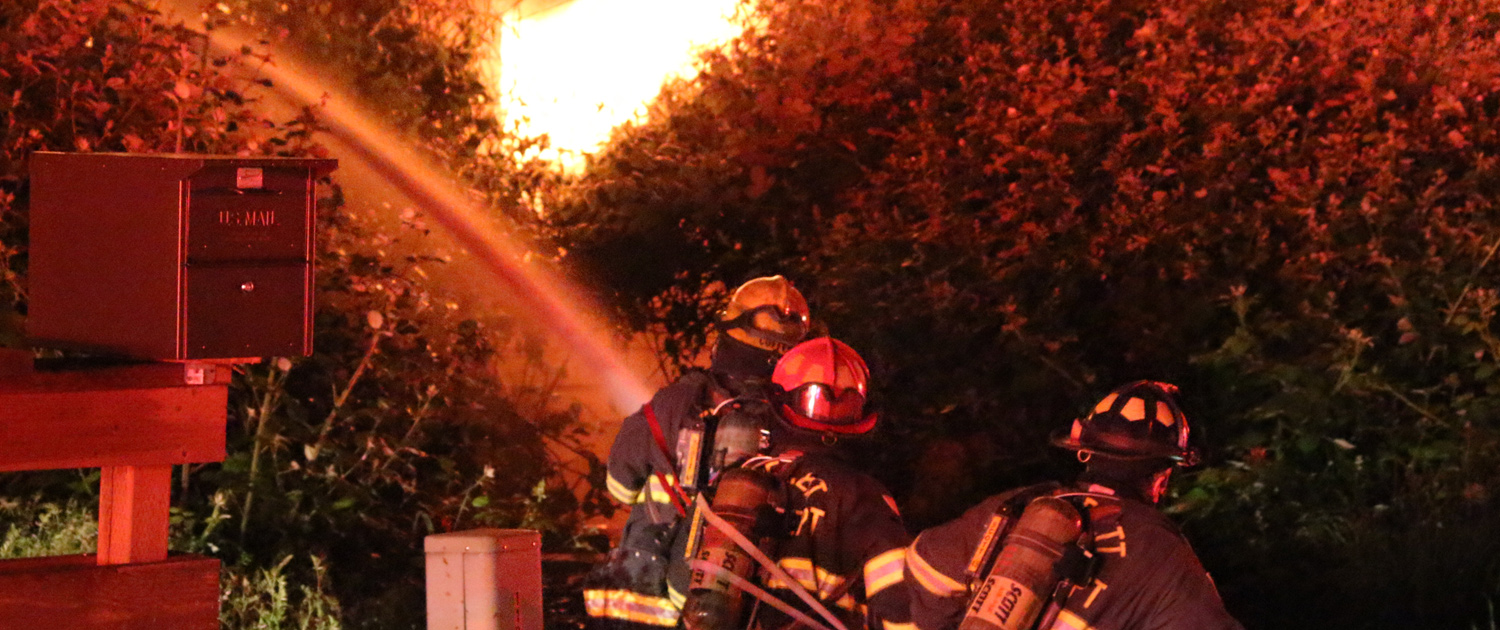
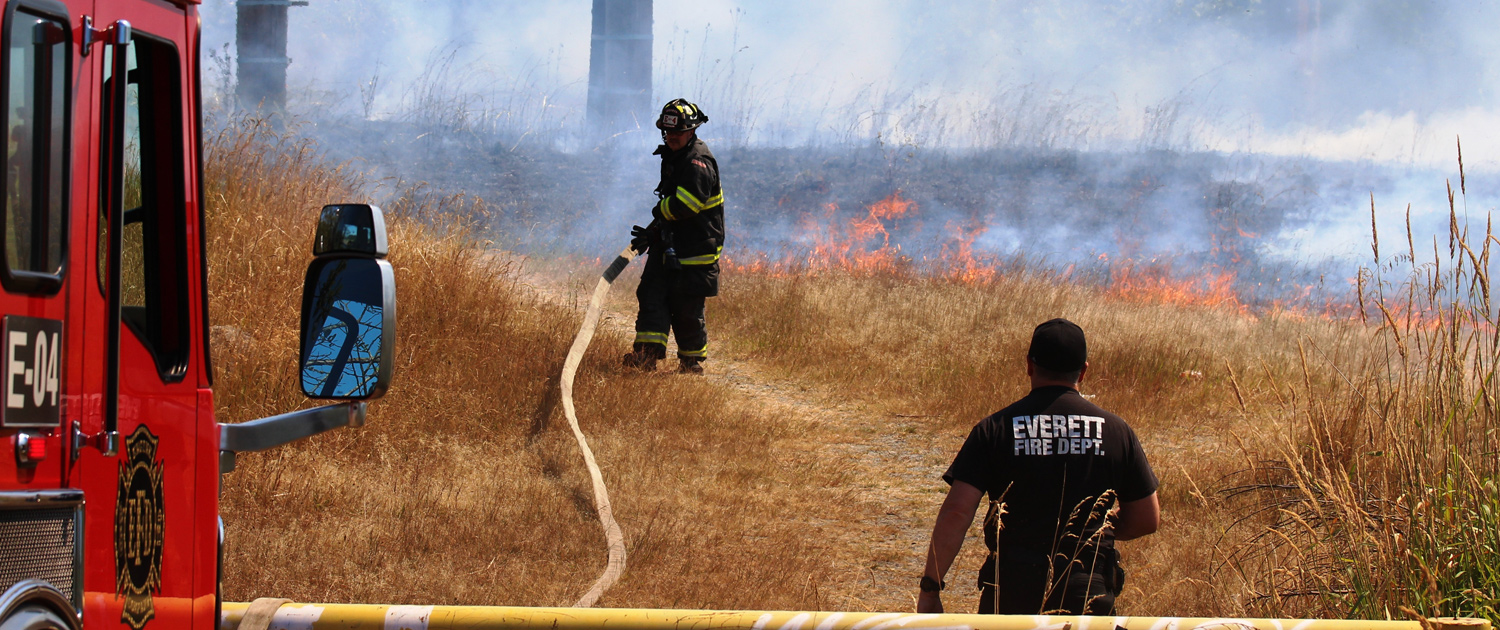
2009 brought several changes to the Everett Fire Department. One of those was an increase in the total number of calls made by Everett Firefighters from the previous year. Firefighters in Everett are used to the increased call volume and for the most part, they don't anticipate anything different. Run numbers continue to climb as Everett 's Firefighters take on more responsibility and training to keep up with the demand placed upon them from a variety of needs. Fires, medical emergencies, hazardous materials, rope rescue & extrication, along with a copious amount of public assistance services throughout the year have Everett crews continually on the move. In total, Everett Firefighters responded to 18,541 calls in 2009. 

What’s this union done for you?

Updated On: Jan 04, 2010 (11:31:00)

If you’ve ever asked that question, take a few minutes and watch this speech by IAFF General President Harold Schaitberger to the IAFF Convention last August.  If you have any questions when he’s done, let us know.

Watch with Windows Media Player
Response Time

Updated On: Jan 04, 2010 (11:32:00)

What is response time and why is response time so important?    Definition of “response time” – Most fire service leaders agree that response time is composed of a number of distinct elements: call processing time – the time it takes for dispatchers to ascertain the location and nature of the emergency and initiate the appropriate response; turnout or staffing time – the time it takes for personnel to respond to the dispatch, board apparatus, and begin traveling to the scene; and travel time – the actual time it takes to travel from the station to the scene.

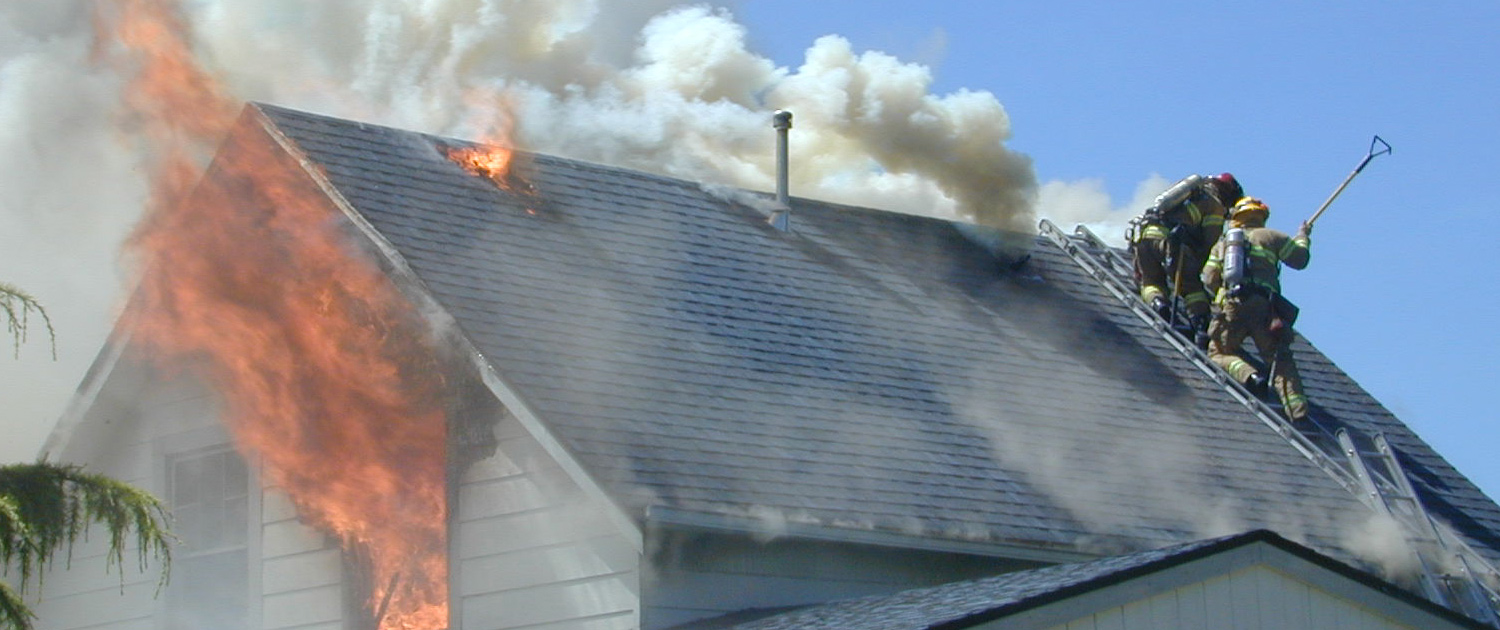
Fact:  a fire can double in size in a little as 2 minutes.  In as little as 30 seconds a small flame can become a deadly house fire.

    To victims of fires and certain medical emergencies chances of survival or severity of disability are directly linked to the amount of time it takes for the fire department to arrive. According to the American Heart Association time is brain and time is heart muscle, meaning the amount of time it takes to get medical care is directly linked to a patient's level of injury during a heart attack or stroke.  If someone is trapped in a fire or a baby stops breathing, seconds also count.  Irreversible brain damage and death begin in as soon as 4 minutes. 

    The odds of survival from cardiac arrest decline exponentially as the first few minutes go by without effective CPR and defibrillation (cardiac shocks), the only effective treatment for sudden cardiac arrest caused by a deadly heart rhythm disturbance called "ventricular fibrillation".  CPR and other interventions, which are critical to the "chain of survival", can only increase the chance for successful resuscitation by paramedics or persons equipped with an automated external defibrillator (AED) and "buy time".

OSHA's "Two-In/ Two-Out" Standard

Updated On: Jan 04, 2010 (11:32:00)

In 1998, the Occupational Safety and Health Administration amended its Respirator Standard for fire fighters and other employees engaged in dangerous occupations that require use of breathing apparatus. The revised standard formally endorsed a safe staffing rule known as "2-in/2-out" that left no doubt about the vital link between sufficient staffing and fire fighter safety.

The 2-in/2-out regulation requires that whenever fire fighters enter a burning structure or other dangerous environment, they must do so in teams of at least two that operate in direct visual or voice contact. Additionally, there must be at least two fully equipped and trained fire fighters who remain outside the structure, who are capable of rescuing the fire fighters inside should they become disoriented, trapped or injured.

Unfortunately, most fire departments do not currently deploy adequate staffing to comply with this basic safety regulation. The result is that on-scene incident commanders are faced with the choice of delaying operations until additional fire fighters arrive or sending fire fighters into dangerous environments without sufficient back-up personnel.

In the face of the mounting evidence of a severe shortage of fire fighters, NFPA issued its first standard on minimum staffing for fire departments in the summer of 2001. NFPA Standard 1710, governing deployment and operations for fire and rescue departments, grew out of investigations into staffing related line-of-duty injuries and deaths.

Ten years in the making, NFPA 1710 established consensus standards for minimum safe staffing levels for basic fire fighting operations; for responses to tactical hazards, high hazard occupancies, and high incident frequencies; and for overall, integrated fire ground operations. If fully implemented, this standard would result in more effective and more efficient fire and EMS departments across the United States-and in our business that means lives saved.

OSHA's 2-in/2-out standard and NFPA 1710 clearly articulate the minimum staffing levels that fire departments need in order to perform emergency operations safely and effectively. Yet, as of today, jurisdictions that comply with these standards are in the minority.

Everett Firefighters Exposed to Asbestos

Updated On: Mar 10, 2009 (17:57:00)


A training exercise that was meant to help Everett firefighters stay safe during real-life emergencies has put them at risk for lasting health problems.  A group of Everett firefighters was exposed to unknown levels of asbestos in July while chopping holes in city-owned houses known to contain the dangerous material, according to the state Department of Labor and Industries.

It likely wasn't the first time.

A state consultant concluded that "all (Everett) fire department personnel at sometime during their career" likely have been exposed to asbestos during similar training because the department doesn't have a system to check for the hazardous material and notify employees, according to the report from Enrique Gastelum, a hygiene consultation supervisor with Labor and Industries... [More]


LEOFF 2

Member Login
Username:

Password:


Not registered yet?
Click Here to sign-up.

Forgot Your Login?
<<  February 2010  >>
S M T W T F S
1 2 3 4 5 6
7 8 9 10 11 12 13
14 15 16 17 18 19 20
21 22 23 24 25 26 27
28
Action Center

You may obtain your Certificate of Membership from the WSCFF website. After your on-line request, you should receive an email within 20 minutes.

Legislative Voting Records: The Washington State Labor Council publishes a voting record after each session.

Welcome to Your UNION: By fire fighters, for fire fighters.
Project Help
A FREE program to assist injured workers in the early and successful resolution of workers compensation claims. Call 1-800-255-9752
Everett City Council Meeting Minutes
City Council Meetings are held every Wednesday morning, except the third Wednesday of each month which is a night meeting. All day meetings start at 8:30 a.m., with the night meeting starting at 6:30 p.m., in the City Council Chambers, 3002 Wetmore Ave.
Your Employee Assistance Program (EAP)
Whatever concerns you have, you can call 24 hours a day, 7 days a week at 1.800.553.7798 to speak with a master’s level counselor. Some of the concerns people call about include relationship issues, financial issues, divorce, substance abuse, grief, and job related stress.USERNAME: City of Everett
LEOFF II Handbook
Information about the LEOFF II pension system
LEOFF I Handbook
Information about the LEOFF I Pension System
Important Links
Visit www.iaff.org/!
Visit www.wscff.org/!
Visit www.pugetsoundfools.com/!
Visit www.iaff.org/about/history/main.htm!
Visit www.iafflocals.com/!
Visit www.iaff7thdistrict.org/!
Visit www.icmarc.org/!
Visit www.everettfirefighters.org/!
Visit www.bls.gov/ro9/currentPC.PDF!
Visit owa.everettwa.org!
LEOFF Trust Website
Safety Standards for Fire Fighters
Visit Unions-America.com!
 Top of Page © Copyright 2010, Everett Firefighters Local 46, All Rights Reserved.
Powered By UnionActive™
Hide the Right Hand Column